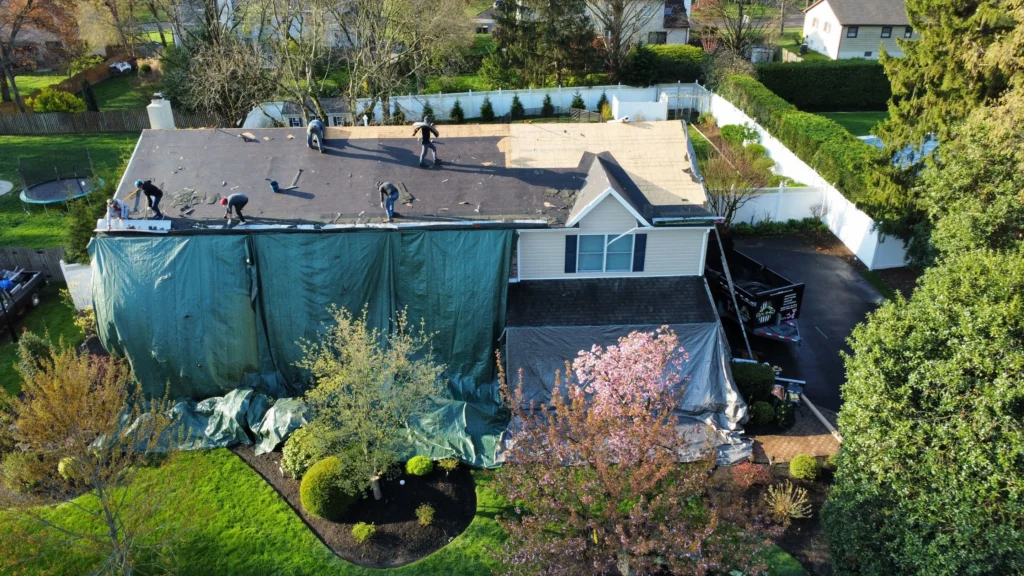
Your roof is one of the most important protective systems in your home, but it’s also one of the easiest to overlook. Because damage often develops slowly and out of sight, many homeowners don’t realize there’s a serious issue until leaks or structural problems appear. Knowing the warning signs early can help you avoid costly repairs and protect your home before problems escalate. If your roof is aging or showing visible wear, it may be time to consider a roof replacement this year.
Age of the Roof and Expected Lifespan
One of the first factors to consider is the age of your roof. Most asphalt shingle roofs last between 20 and 30 years, depending on material quality, installation, and climate conditions. If your roof is approaching or has exceeded this range, roof replacement is often more cost-effective than repeated repairs.
Even if there are no obvious leaks, older roofs tend to lose protective granules, flexibility, and structural integrity over time. This makes them more vulnerable to wind damage, water intrusion, and heat-related wear. Knowing your roof’s installation date is a key starting point in evaluating whether replacement is necessary.
Missing, Curling, or Damaged Shingles
Visible shingle damage is one of the most common signs that a roof is failing. Shingles that are curling at the edges, cracking, or completely missing indicate that the protective outer layer is breaking down. These issues expose the underlying roof structure to moisture and weather damage.
If damage is limited to a small area, repairs may be sufficient. However, widespread shingle deterioration usually signals systemic aging. In these cases, patching becomes a temporary solution rather than a long-term fix, and a full roof replacement is often the more reliable option.
Granule Loss and Bald Spots
As shingles age, they begin to lose their protective granules, which are small mineral particles that help shield your roof from UV rays and weather exposure. You may notice these granules collecting in gutters or downspouts, or see bald patches on the shingles themselves.
Excessive granule loss is a strong indicator that your roof is nearing the end of its lifespan. Without this protective layer, shingles become brittle and less effective at repelling water. Over time, this can lead to leaks and accelerated roof deterioration.
Roof Leaks and Water Damage Inside the Home
Interior signs of roof failure are often more urgent than exterior ones. Water stains on ceilings or walls, peeling paint, or damp insulation in the attic are all red flags that moisture is entering your home. Even small leaks can lead to significant damage if left untreated.
In some cases, leaks may be localized and repairable. However, if multiple leaks appear or if water damage spreads across different areas of the home, it often indicates widespread roof failure. At that stage, roof replacement is usually the safest and most cost-effective solution.
Sagging Roof Lines or Structural Issues
A sagging roof is a serious structural concern that should never be ignored. It may indicate problems with the underlying decking, supports, or long-term water damage that has weakened the roof system. Unlike surface-level issues, structural sagging typically requires immediate professional evaluation.
If caught early, some structural components may be reinforced. However, in many cases, sagging is a sign that the roof has deteriorated beyond repair and needs full roof replacement. Addressing this issue quickly is essential for maintaining the safety of your home.
Rising Energy Bills and Poor Insulation Performance
A failing roof can also impact your home’s energy efficiency. If you notice a sudden increase in heating or cooling costs, your roof may no longer be providing proper insulation. Gaps, deteriorated materials, or ventilation issues can allow conditioned air to escape and outside air to enter.
This forces your HVAC system to work harder, increasing energy consumption. While insulation problems can sometimes be corrected, widespread roof aging often contributes to inefficiency and may require roof replacement to restore proper performance.
Moss, Mold, or Algae Growth
The presence of moss, mold, or algae on your roof can indicate trapped moisture and poor drainage. While some surface growth can be cleaned, persistent or widespread growth suggests deeper issues with ventilation or material degradation.
Moss, in particular, can lift shingles and allow water to seep underneath, accelerating roof damage. If growth returns quickly after cleaning or spreads across large areas, it may be a sign that the roof is retaining moisture and losing its protective qualities.
Frequent Repairs and Maintenance Costs
If you find yourself repeatedly repairing your roof, it may be more cost-effective to replace it entirely. Frequent patchwork repairs often indicate that the underlying system is deteriorating. While individual fixes may seem affordable, they can add up quickly over time.
A full roof replacement eliminates the cycle of constant repairs and provides a long-term solution with improved durability and warranty protection. In many cases, homeowners discover that replacing the roof ultimately saves money compared to ongoing maintenance.
Weather Damage After Storms
Severe weather such as hail, heavy rain, or strong winds can significantly shorten a roof’s lifespan. Even if damage is not immediately visible, storms can loosen shingles, damage flashing, or weaken structural components.
After major weather events, it is important to inspect your roof or schedule a professional assessment. If damage is extensive or recurring after multiple storms, it may be time to consider a full roof replacement rather than repeated repairs.
Recognizing the signs of roof failure early can help you avoid costly damage and protect your home’s structure. While some issues can be repaired, multiple warning signs together often indicate that a full roof replacement is the most reliable and cost-effective solution for the long term.